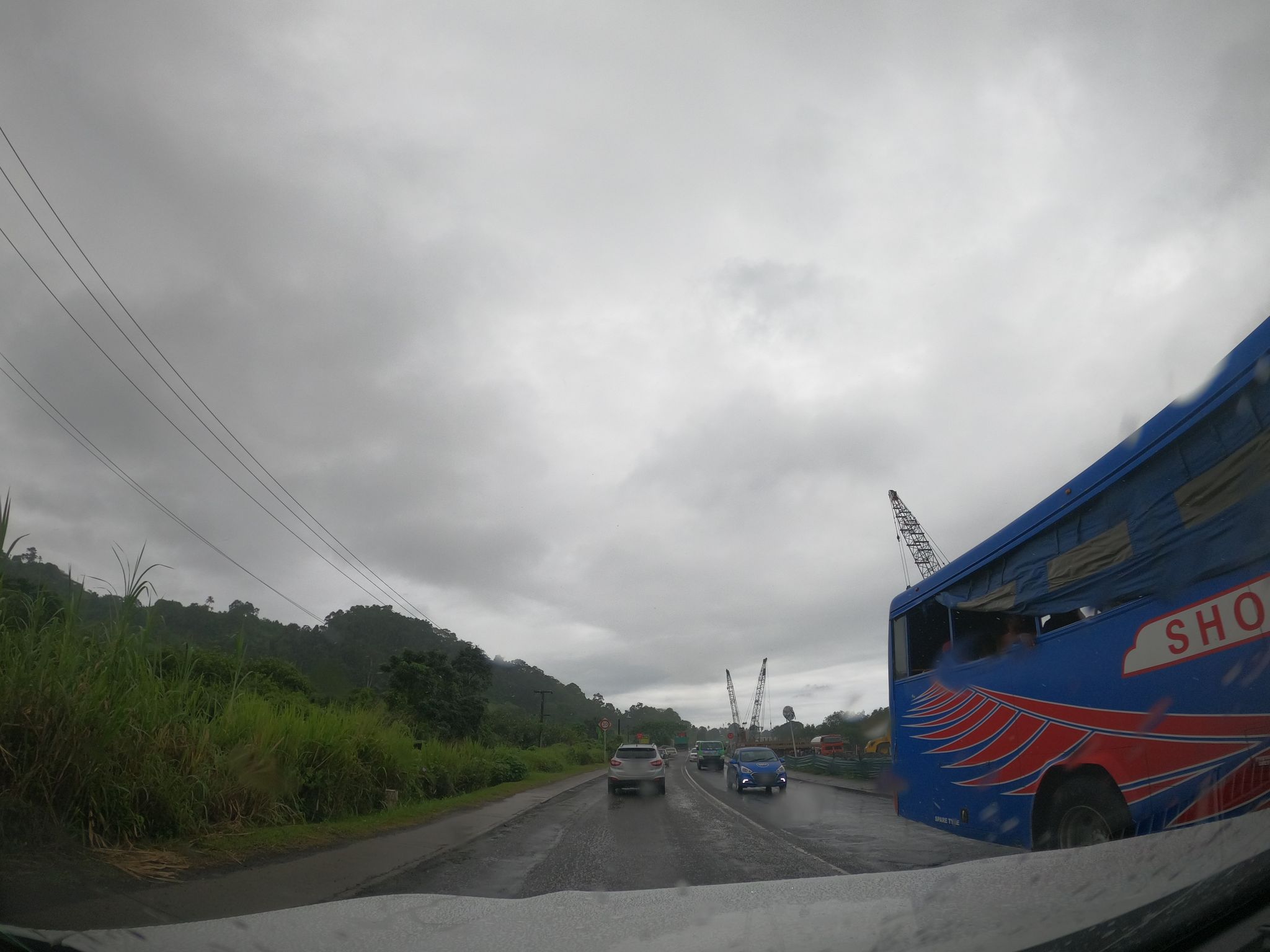
Open-sided bus with tarps: Buses with roll-down canvas flaps instead of glass windows are a strong Fiji signal.
Left-hand traffic: Our lane is on the left, which fits Fiji, Samoa, Tonga and other former British colonies.
Red-ringed 50 sign: A round red-circle speed sign in km/h, the Commonwealth style used across Fiji.
The bus jumps out first: no glass, just rolled canvas flaps that drop down when it rains, which is a Fijian trademark. Then check driving side: traffic keeps left, so the right-driving Pacific spots like New Caledonia, Vanuatu and French Polynesia are out. Steep jungle hills, tall grass by the verge and heavy rain point to the wet windward side of Viti Levu, around the Suva corridor in the Central Division. The road itself is a narrow two-lane highway with a thin white edge line and plain wooden poles. Carry this to other rounds: Fiji's main roads loop the coast of Viti Levu, so lush wet hills usually mean the east, while dry grassland and cane fields mean the west.
Easily confused with
Samoa: Samoan buses are boxy, wooden and painted; Fijian ones use canvas window flaps.
New Caledonia: New Caledonia drives on the right; Fiji drives on the left.
Remember: Glassless buses with canvas flaps on a left-driving tropical road: think Fiji.
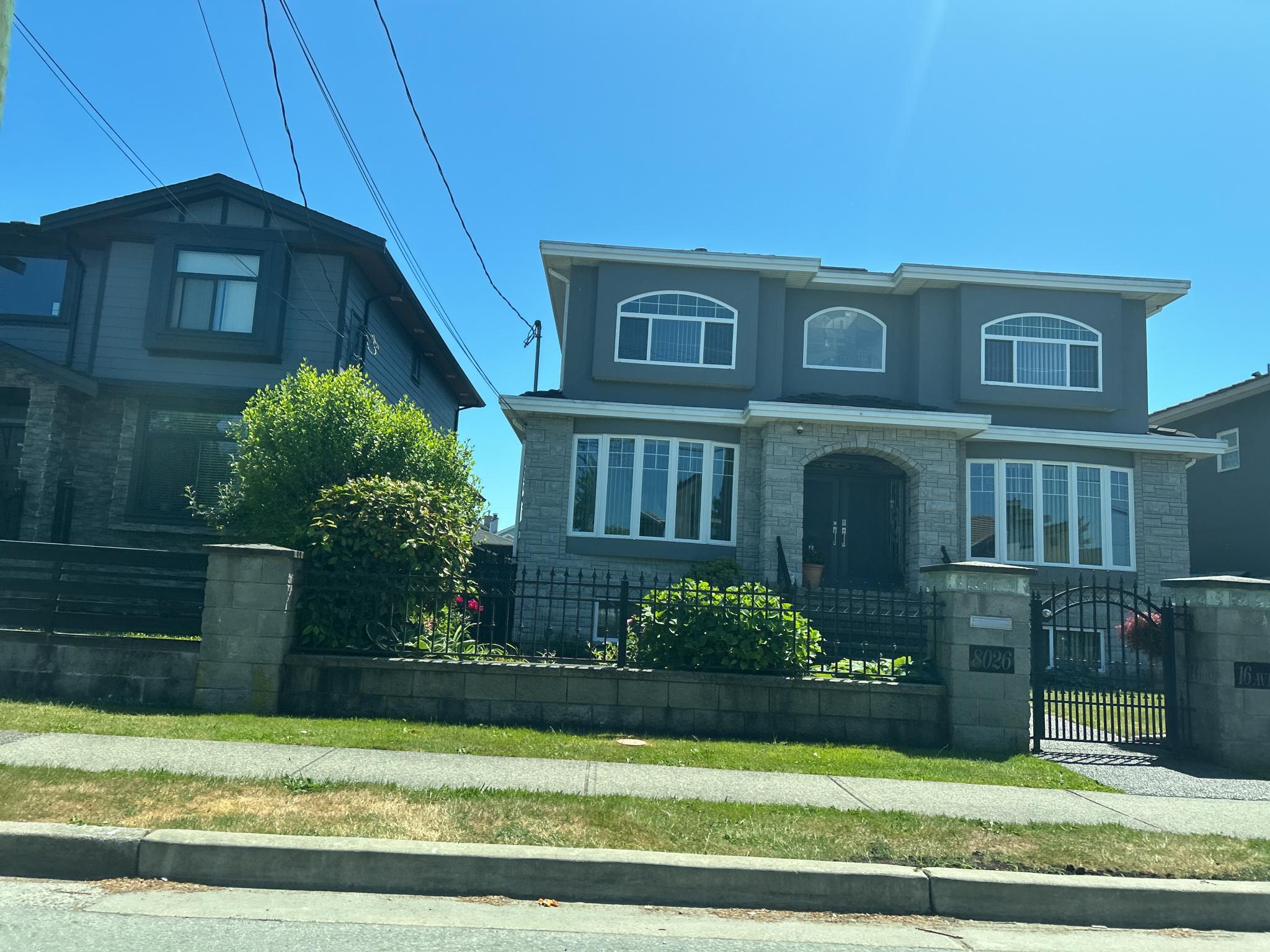
Boxy stucco-and-stone house: Big two-storey box, stone ground floor, white arched windows: classic Metro Vancouver newer home.
Numbered avenue plaque: "16 AV" style numbered avenues are typical of western Canadian cities.
Overhead wires, grass boulevard: Overhead lines and a grass strip between curb and sidewalk point to North America.
The first thing that jumps out is the house itself: a wide, flat-fronted two-storey box with a low hipped roof, stucco up top, stone cladding below and white arched windows. That look is a signature of Greater Vancouver, where lots were rebuilt with maximum-size family homes. The concrete sidewalk with a grass boulevard and overhead wires on wooden poles rule out Europe and most of Asia, leaving North America. Dry summer grass and a clear sky fit the Pacific Northwest's dry summers. The plaque reading a numbered avenue with the short form "AV" is another hint: Canadian cities, especially in the west, lean heavily on numbered streets and avenues, so treat those as a nudge north of the border.
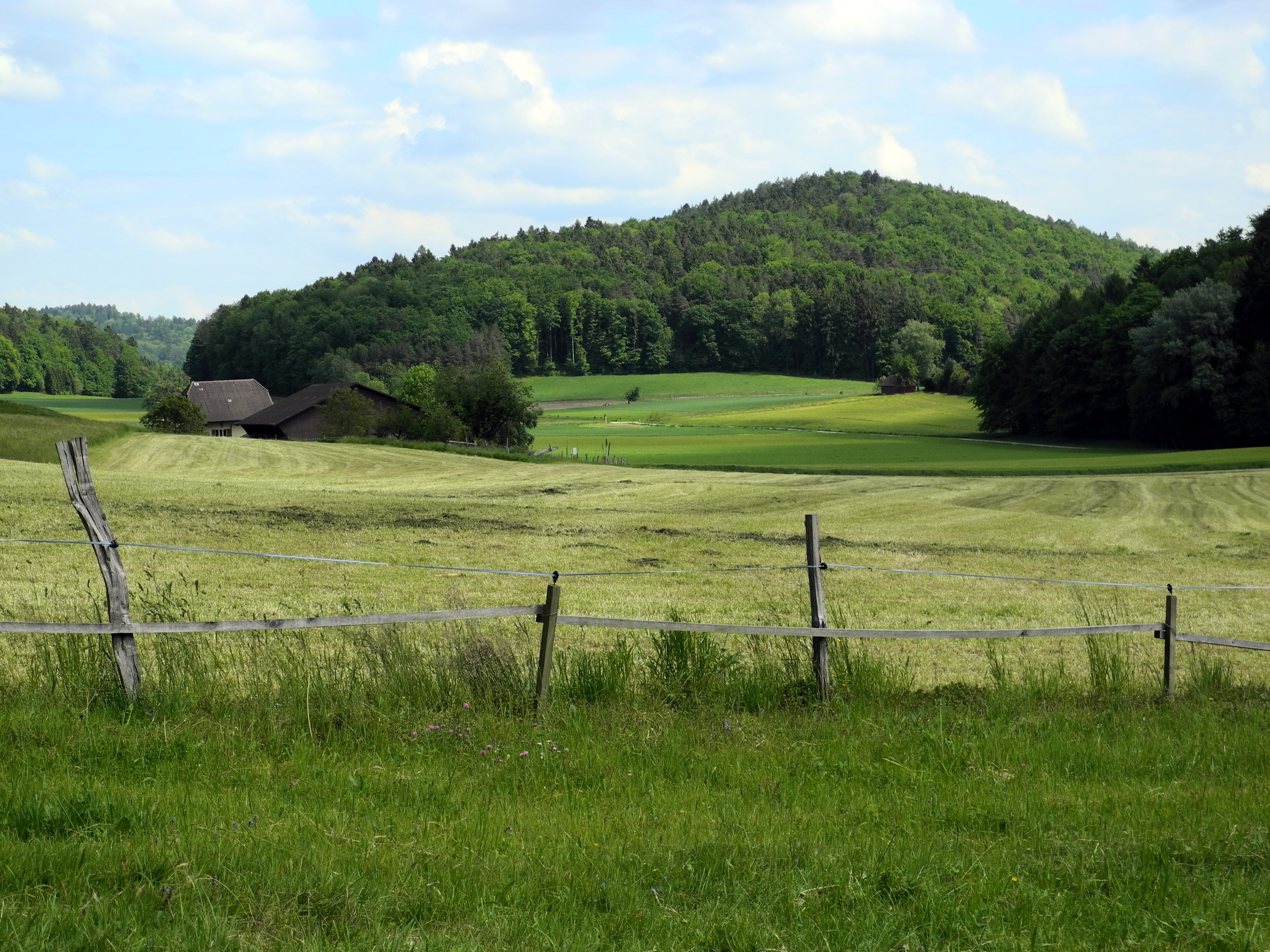
Huge-roofed farmhouse: House and barn under one broad, low, half-hipped roof is classic Swiss Plateau farm style.
Beech and spruce hills: Rounded hills of mixed beech and spruce point to central Europe's lowland hill country.
Electric wire fence: Wooden posts with a single electric wire mean intensive dairy grazing, typical of Alpine countries.
The first thing that jumps out is how tidy everything is: freshly mown hay meadows, a neat electric fence, and forest edges cut sharply against the grass. That screams central Europe and rules out Britain, Scandinavia and the Mediterranean straight away. The farm is the real tell. Swiss Plateau farms often sit alone in the fields rather than in a village, with the house and barn sharing one enormous, low-slung roof with clipped ends. The hills are rounded and wooded, not Alpine peaks, which fits the band of farmland between Geneva and Lake Constance where most Swiss people live. Remember that much of Switzerland looks like this, not like snowy mountains, so don't wait for the Alps.
Easily confused with
Southern Germany: Swiss farms stand alone in fields; German farms cluster in villages.
Austria: Austrian farmhouses usually show whitewashed walls and wooden balconies.
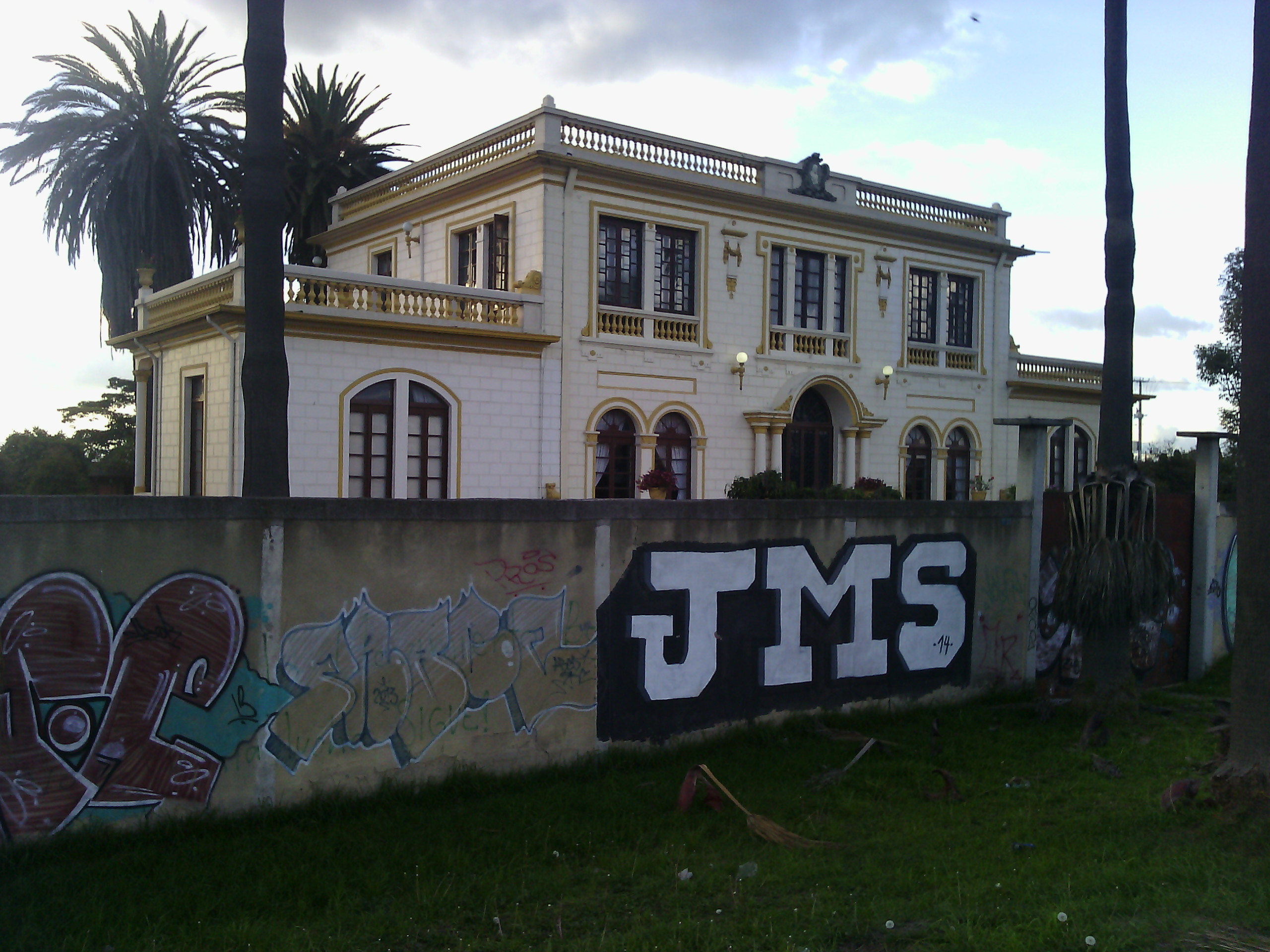
Republican-era mansion: Cream walls, ochre trim and balustrades suit early-1900s Colombian 'republican' architecture.
Graffiti-covered perimeter wall: Large painted tags on long walls are everywhere in Bogotá's street art scene.
Palms with cool, damp grass: Palms beside lush grass and dandelions under grey cloud suggest a mild highland city.
The first thing that jumps out is the mansion: symmetrical, cream with ochre trim, rooftop balustrades. That European-inspired style appears all over Latin America, so it narrows the continent rather than the country. The clincher is the mix of climate and culture. Palms usually mean heat, yet the grass is thick, there are dandelions, and the sky has that flat, grey, cool look of a city at altitude. That rules out lowland tropical capitals. Add the long wall smothered in big, confident graffiti pieces, and Bogotá becomes a strong bet. Carry this forward: Colombia's capital sits around 2,600 metres, so expect spring-like greenery, constant cloud, and street art on almost every blank wall.
Easily confused with
Quito, Ecuador: Quito usually shows steep volcanic slopes looming right behind buildings.
Montevideo, Uruguay: Montevideo is flat, coastal and windier, with fewer dense graffiti walls.
Remember: Graffiti walls, colonial-style mansions and cool cloudy light point to Bogotá.
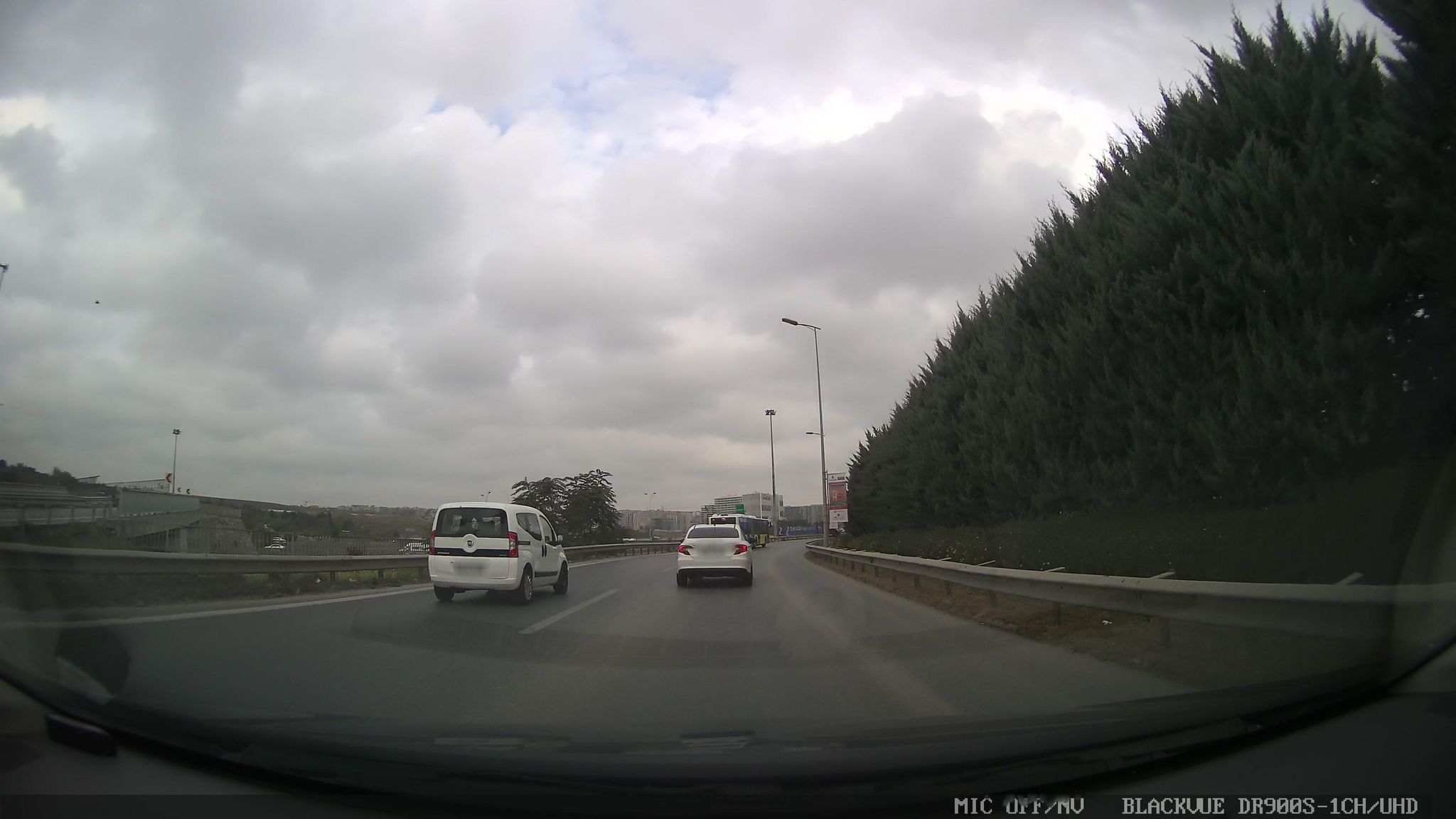
Fiat Fiorino and Egea: White Fiat Fiorino van and Egea saloon are both Turkish-built and everywhere in Turkey.
Yellow-and-white city bus: Yellow and white bus livery suggests Istanbul public transport.
Cypress hedge, hilly sprawl: Tall cypress planting and hills of mid-rise blocks fit the Marmara region.
First thing that jumps out is the traffic: a white Fiat Fiorino van and a white Fiat Egea saloon, two of the most common vehicles in Turkey because both are built there. Right-hand traffic, plain white dashes and steel guardrails rule out Britain and Japan but fit much of Europe. The yellow-and-white bus ahead and the hillside packed with mid-rise blocks and tall floodlight masts point to a big, sprawling city, and in Turkey that usually means Istanbul. Dense cypress planting along motorway embankments is common around the Marmara Sea. A useful habit for Turkey anywhere: count white cars. Turkish roads are dominated by white Fiats, Renaults and Toyotas, often far more than neighbouring countries.
Easily confused with
Italy: Italian motorways have yellow-orange plates and fewer Egeas; Turkish roads have dense mid-rise sprawl.
Greece: Look for Greek script on signs; Turkey uses Latin letters with ç, ş, ğ.
Remember: White Fiat Egeas and Fiorino vans everywhere strongly suggest Turkey.
 dropzone
 13